


Blog
How to Source Custom Curtains Directly from Chinese Manufacturers: A Complete Guide

Intro
Sourcing custom window coverings from China offers wholesalers, contractors and e‑commerce sellers unmatched cost advantages, diverse material options and large‑volume production capacity. However, many overseas buyers encounter obstacles: unclear specification standards, confusing MOQ rules, sample lead‑time misunderstanding and communication gaps with factories.
This complete sourcing guide walks you through every critical step: product category selection, material & parameter confirmation, sample workflow, MOQ & lead‑time negotiation, quality inspection and shipping preparation. We focus on mainstream custom products including Plastic Roller Blinds, Roman Shades and Wood Venetian Blinds, helping you minimize risks and build stable long‑term cooperation with Chinese curtain manufacturers.
Pick The Right Custom Window‑Covering Product For Your Business
Before contacting manufacturers, define your target market and product positioning first. Different blind types serve distinct end‑use scenarios, price ranges and customer groups.
1.Plastic Roller Blinds
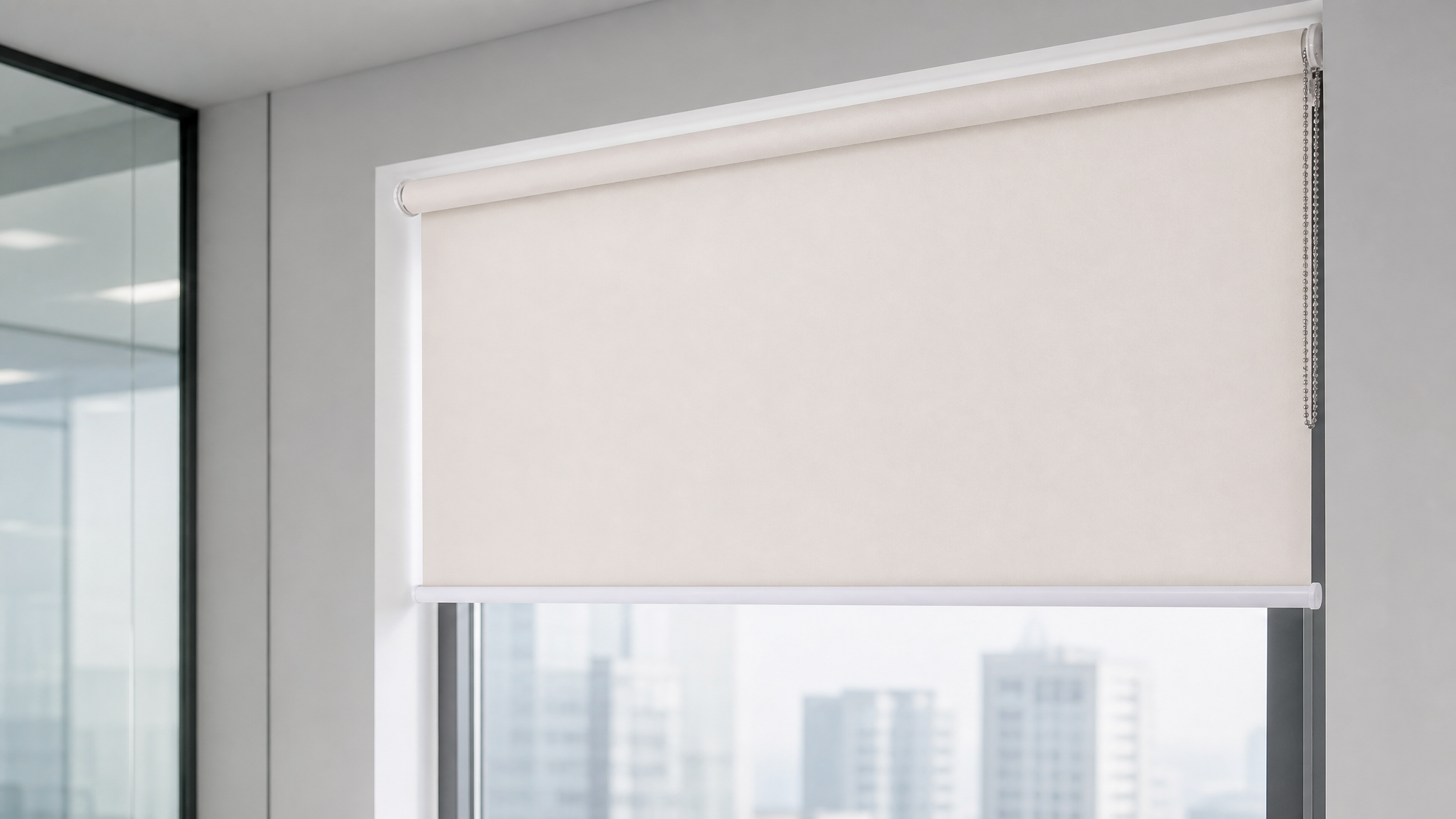
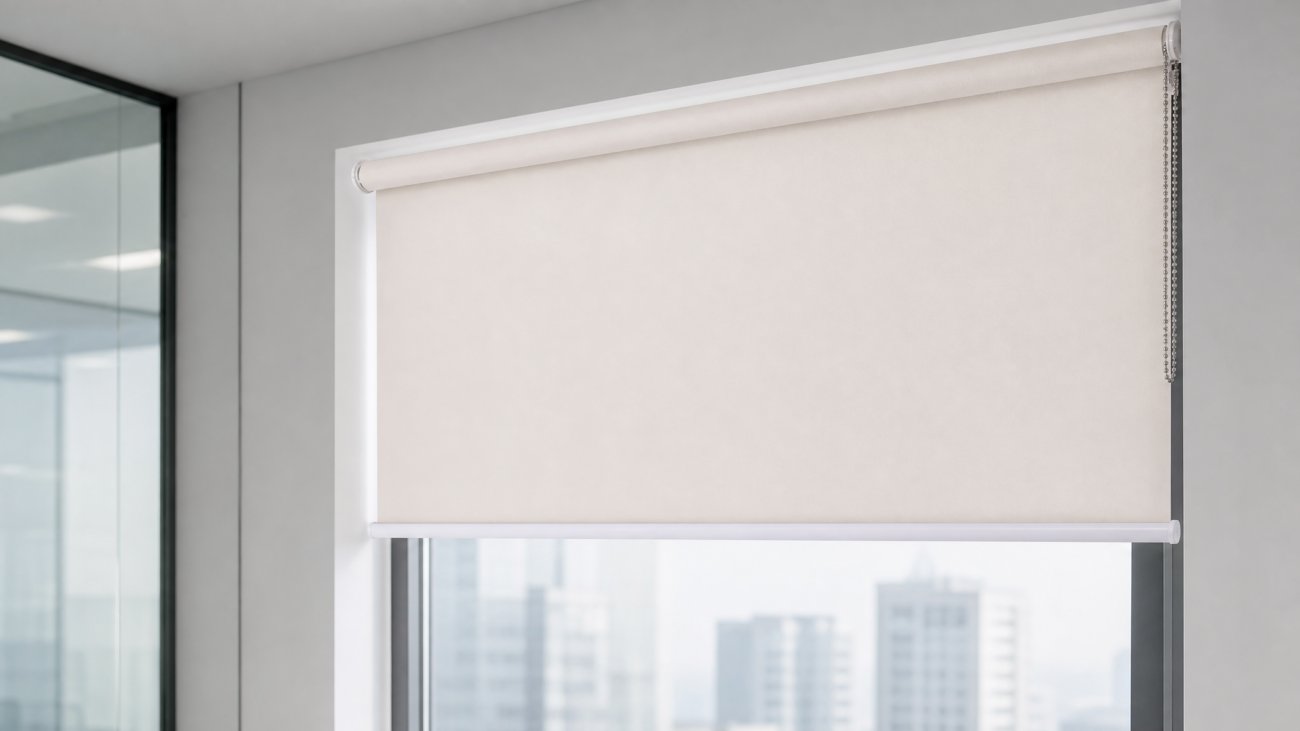
Item No. RL‑M‑004 as our reference model. Widely used for residential apartments, office buildings, RV modification projects and commercial spaces. Available material range: Fabric, PVC, bamboo, wood. Fabric options include plain, jacquard, printed, solid, embossed and sunscreen fabric.
Track material: iron or aluminum; common rail sizes:17mm,25mm,28mm,38mm. Control modes cover plastic chain, metal chain, spring system and electric motorized version. It delivers over 90% UV protection or full blackout performance. Great for bulk‑order projects with high cost‑performance requirements.
2.Roman Shades
Minimalist aesthetic style, favored by high‑end residential interior designers and boutique hospitality projects. Features soft folded layering texture. Supports full custom on fabric texture, colour, lift mechanism. Fit mid‑to‑high‑end market positioning.
3.Wood Venetian Blinds
Classic premium hard window treatment. Real wood or imitation wood slats deliver warm natural texture. Popular for villa renovation, luxury hotel suites and high‑end office fit‑out. Target buyers who pursue texture and premium product value.
Key sourcing tip: Clarify your core selling product mix. You can focus on one main category, or combine roller blinds as volume SKUs + roman & wood venetian blinds as high‑margin SKUs for your catalogue.
Confirm Core Specifications: What Information Must You Provide To Chinese Factories
Custom curtains are non‑standard goods. Incomplete info will lead to wrong samples, rework and delivery delay. Prepare the below details for your inquiry.
1.Product model & category: Plastic Roller Blinds / Roman Shades / Wood Venetian Blinds
2.Exact dimension: width & drop height per unit; tolerance requirement
3.Material & fabric: fabric composition, weight, colour reference (colour card / Pantone code). For roller blinds, confirm blackout or sunscreen grade.
4.Accessory requirements: rail material, rail size, control system(chain / spring / motor), mounting method: hook mount, wall‑mount screw, ceiling screw installation.
5.Quantity: total order quantity, MOQ per colour. For our reference roller blind item RL‑M‑004, standard MOQ is 1000 pcs per colour.
6.Special requirement: UV resistance, fire retardant certification, packaging standard, logo printing on fabric or accessories.
Common buyer mistake: Only sending product photos without dimension and material description. Factories cannot quote accurate unit price under this situation.
Sample Process: How To Arrange Pre‑production Samples
Samples verify appearance, fabric texture, accessory quality and installation performance before mass production.
1.Send full specification sheet to factory, confirm sample technical drawing.
2.Sample lead‑time: For Plastic Roller Blinds, standard sample time is 5‑7 working days. Roman shades & wood venetian blinds may need 7‑10 days according to custom complexity.
3.Sample cost: Most Chinese window‑covering factories charge sample fee; sample cost can be deducted against bulk order value once you place formal large order.
4.Sample checking checklist after you receive samples: colour consistency, fabric flatness, lifting & lowering smoothness, accessory durability, mounting fit. Record defects and send revision feedback clearly to manufacturer.
Never skip sample confirmation before bulk production. Modifying samples costs far less than reworking mass‑produced goods.
MOQ, Production Lead‑time & Production Capacity Negotiation
Every factory sets different minimum‑order rules based on material and product complexity.
·Reference Plastic Roller Blinds RL‑M‑004: MOQ 1000pcs per colour, daily production capacity reaches 6000pcs. Bulk production lead‑time 35‑45 days after deposit and sample confirmation.
·Roman Shades & Wood Venetian Blinds belong to semi‑handmade products, MOQ will be relatively higher, production cycle will extend accordingly.
Practical negotiation tips for B‑side buyers:
1.If your first trial order cannot reach standard MOQ, communicate with factory whether mixed‑colour or mixed‑item trial run is available. Some manufacturers accept higher unit price for small trial batches.
2.Confirm production schedule in written form. Peak seasons (before Christmas, home‑improvement hot season) will extend lead‑time. Lock timeline on PI(Proforma Invoice).
3.Confirm factory background: our reference manufacturer established since 2004, stable capacity for repeated bulk orders. Prioritize factories with long‑term export experience for window‑covering products.
Quality Inspection & Shipment Preparation
Quality control cannot rely totally on manufacturer self‑check. You have three solutions:
1.Factory self‑inspection: ask factory to supply mass‑production inspection photos and video before shipment.
2.Assign third‑party inspection agency to conduct on‑site pre‑shipment inspection.
3.Send your own QC staff for factory audit and inspection.
Focus inspection items for custom curtains:
Fabric colour difference, scratch or stain; rail bending; lifting mechanism smoothness; mounting hole position accuracy; packaging integrity.
For shipment: Confirm shipping terms FOB / CIF / DDP. Inform factory of your forwarder contact information. Clarify export document requirements: commercial invoice, packing list, certificate of origin, special product certification if needed.
Avoid These Top Sourcing Pitfalls
1.Blindly chase ultra‑low price. Too‑cheap quotations usually downgrade fabric thickness, accessory material. Request factory to list out material specification on PI.
2.Ignore mounting compatibility. Different regions own different window installation standards. Tell factory your target market installation habit.
3.Vague after‑sales agreement. Confirm defective‑goods replacement or compensation terms in advance for mass orders.
4.Underestimate shipping volume. Curtain blinds take large cubage. Calculate container loading quantity before confirming order quantity.
CTA
Sourcing custom curtains directly from Chinese manufacturers brings huge profit potential, yet success depends on standardized inquiry, strict sample confirmation, clear specification documents and full‑process communication.
Whether you order cost‑effective Plastic Roller Blinds for large‑volume projects, aesthetic Roman Shades for high‑end interior markets, or premium Wood Venetian Blinds for luxury fit‑out, sorting out the above‑mentioned sourcing workflow will cut down your learning curve greatly. Start from small trial order, validate product quality and supplier service, then scale up your order volume step‑by‑step.
If you need factory quotation, send your detailed specification sheet to get your custom offer.